
Do You Have to Wear a Helmet on a Motorcycle?
Written by Jay M. Kelley III in Motorcycle Accident on May 7, 2026
What You Need to Know
• Ohio requires helmets for riders under 18 and novice operators.
• Passengers must wear helmets when the operator is legally required to do so.
• Helmet violations may result in citations, fines, and driving record points.
• Ohio insurers may reduce compensation using the “Helmet Defense” argument.
• Helmets significantly reduce fatal head trauma and traumatic brain injuries.
Motorcycle riders across Ohio often ask, Do you have to wear a helmet on a motorcycle? especially when preparing for longer rides or daily commuting. Helmet requirements are not just about personal preference; they are tied directly to safety outcomes and legal responsibilities on the road. We see firsthand how helmet use can influence injury severity after a crash, and how the law views riders who choose to go without one.
At Elk + Elk, we focus on helping injured riders understand their rights as they navigate Ohio motorcycle laws.
Contact Ohio Personal Injury Attorneys
 call us 1 (800) 355-6446
Why Motorcycle Helmet Laws Matter for Riders
Motorcycle helmet laws exist to reduce serious injuries and fatalities on public roads. Riders lack the physical protection drivers have, which makes head and brain injuries far more likely during a collision. Ohio lawmakers have shaped helmet regulations with public safety in mind, balancing rider freedom with risk reduction.
Helmet laws also impact how fault and damages are evaluated after a crash. Compliance can strengthen a rider’s position, while violations may complicate a personal injury claim. Beyond legal consequences, these rules encourage safer riding habits that benefit everyone sharing the road, from other motorists to pedestrians. Understanding the reasoning behind helmet laws helps riders make informed decisions that protect both their physical well-being and their legal standing.
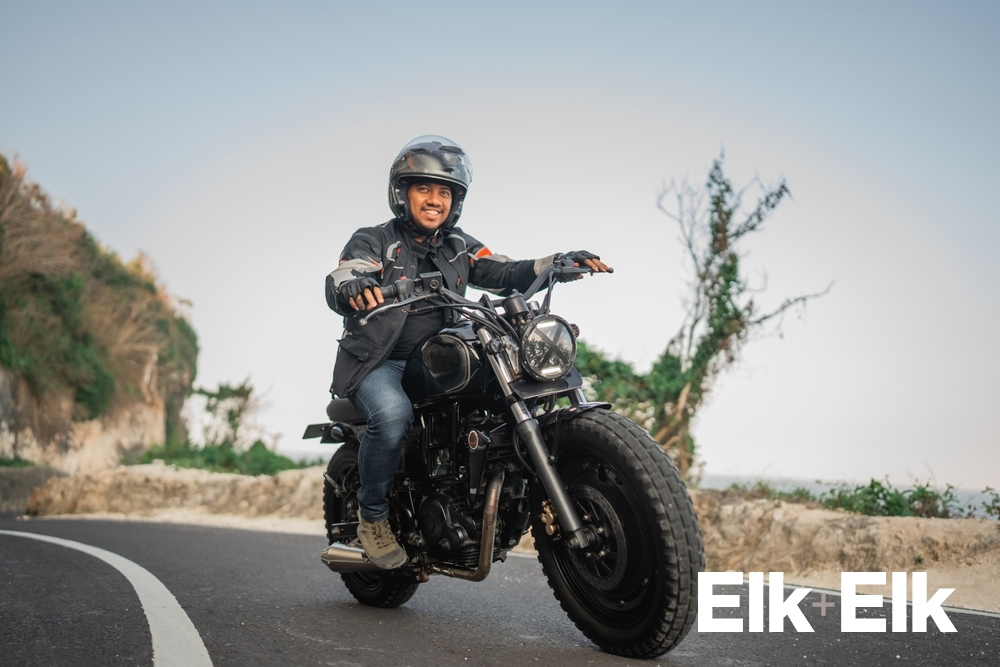
Do You Legally Have to Wear a Helmet on a Motorcycle?
Ohio does not require every rider to wear a helmet in all situations. State law applies helmet requirements based on age, licensing, and experience. Under the Ohio Administrative Code Rule 4501:17:01, certain riders and passengers are required to wear a protective helmet with a properly fastened chin strap, along with approved eye protection that meets established safety standards.
These distinctions often cause confusion among riders, particularly visitors or those returning to motorcycling after time away. Knowing whether the law applies to a specific rider at a specific moment can prevent unnecessary citations and avoid complications after an accident.
States With Universal Helmet Requirements
Some states require all motorcycle riders to wear helmets regardless of age or experience. These universal laws are often credited with lower fatality rates. States such as California and New York follow this approach, emphasizing public safety over individual discretion.
States With Partial or Age-Based Helmet Laws
Ohio falls into the partial helmet law category. In Ohio, helmets are mandatory for:
- Riders under 18 years old
- Anyone operating with a Temporary Instruction Permit Identification Card (TIPIC)
- Riders with a novice designation on their motorcycle license during their first year of riding
Additionally, when an operator is legally required to wear a helmet, any passenger accompanying that operator must also comply with the helmet requirement.
Similar age- or experience-based rules apply in several other states, while some impose no helmet requirement at all. According to the IIHS, helmet laws vary widely across the country, which can significantly influence injury trends and crash outcomes.
What Happens If You Ride Without a Helmet? Fines and Other Penalties
Failing to comply with Ohio’s helmet requirements can result in legal consequences. Riders who violate helmet laws may face:
- Traffic citations
- Monetary fines
- Points on their driving record
While fines may seem minor, their broader impact often becomes apparent after an accident. Law enforcement reports noting helmet violations can affect how responsibility is evaluated later.
Beyond immediate penalties, a citation can follow a rider long after the stop ends. Driving records may be reviewed during civil claims, and documented violations are often used to question a rider’s judgment and safety habits. These details can influence negotiations, settlement discussions, and courtroom arguments, even when helmet use played no role in causing the crash.
Get In Touch With Us
No fees unless you win. Available 24/7
1 (800) 355-6446
How Not Wearing a Helmet Can Affect Your Injury Claim
Helmet use often becomes a focal point during motorcycle accident claims. Insurance carriers and defense attorneys frequently examine whether a rider followed safety regulations at the time of the crash.
Comparative Negligence and Reduced Compensation
Ohio follows a comparative negligence system, meaning compensation can be reduced if a rider is found partially responsible for their injuries. In motorcycle accident claims, insurance companies often use what is known as the “Helmet Defense” to argue that a rider’s failure to wear a legally required helmet made their injuries worse.
By raising this argument, insurers attempt to shift partial responsibility onto the rider in order to lower settlement offers and devalue the overall claim, even when another driver caused the collision. Not wearing a helmet does not automatically prevent financial recovery, but it can become a focal point in negotiations and litigation. Each case requires careful evaluation of whether helmet use truly affected the injuries sustained.
Safety Benefits of Wearing a Motorcycle Helmet
Research consistently shows helmets save lives. Safety organizations report that helmet use significantly lowers the risk of:
- Fatal head trauma
- Traumatic brain injuries
- Long-term cognitive impairment
Beyond these core benefits, helmets also reduce facial injuries, skull fractures, and the severity of concussive forces during impact. Even low-speed crashes can result in devastating outcomes when a rider’s head strikes pavement or another vehicle. Helmets are engineered to absorb and distribute impact energy, limiting the force that reaches the brain.
Safety professionals across the country strongly recommend helmet use at all times, even in states where the law does not mandate it for every rider. Unexpected hazards such as loose gravel, sudden stops, distracted drivers, or poor road conditions leave little room for reaction. A helmet provides a critical layer of defense when circumstances change in seconds.
Helmets also improve rider visibility and awareness. Many designs include reflective materials and visors that protect against wind, debris, and glare, helping riders maintain focus and control in changing traffic conditions.
Helmets remain one of the most effective tools for preventing severe injury and death in motorcycle crashes, regardless of whether a state mandates their use. Even experienced riders benefit from added protection during unexpected roadway hazards.

“At Elk + Elk, we’re not just lawyers — we’re Ohioans standing up for Ohio families. When tragedy strikes, we fight to make sure you’re not left to carry the burden alone.”
Jay M. Kelley III - Managing partner

Tips for Choosing the Right Motorcycle Helmet
Selecting proper headgear goes beyond legal requirements. Riders should keep the following factors in mind:
- Safety Certifications: Choose helmets that meet DOT requirements and the updated ECE 22.06 standard, which offers stronger protection against rotational forces during an impact. According to the National Highway Traffic Safety Administration (NHTSA), motorcycle helmets sold for on-road use in the United States must comply with federal DOT safety standards.
- Proper Fit: A helmet should sit securely without painful pressure points, stay in place during movement, and still allow comfortable airflow. A loose or unstable fit may reduce crash protection.
- Helmet Age & Condition: Helmets should be replaced after a serious impact or every few years, since materials naturally weaken over time from sun exposure, sweat, and everyday wear.
- Comfort Features: Ventilation, padding, and noise reduction can make a major difference in whether riders consistently wear their helmets on every ride.
A helmet that fits well and meets modern safety standards can play an important role in reducing the risk of serious injury on the road.
How a Lawyer Can Help Protect Your Rights
After a motorcycle crash, legal questions often arise quickly. Liability disputes, injury documentation, and helmet-related arguments can complicate the recovery process. Riders may face pressure from opposing parties attempting to shift blame or minimize the seriousness of injuries.
We evaluate every detail of a crash, including road conditions, driver behavior, traffic reports, and medical records. When helmet use becomes part of the discussion, context matters. The absence of a helmet does not excuse negligent driving, nor does it automatically determine responsibility for a collision.
Our role involves presenting a clear picture of how the crash occurred and how injuries truly affected daily life, work capacity, and long-term health. We focus on facts, not assumptions, and work to counter unfair arguments that hinge solely on helmet use.
Get Legal Support After a Motorcycle Accident
Recovering after a motorcycle collision involves more than physical healing. Financial stress, lost income, ongoing treatment, and uncertainty about the future can weigh heavily on injured riders and their families. Medical appointments, time away from work, and questions about legal options often add pressure during an already difficult period.
At Elk + Elk, we stand with injured riders across Ohio and help them pursue accountability and fair outcomes, while providing clear guidance throughout the legal process. Contact us today at 1 (800) 355-6446.
Jay M. Kelley III - Managing Partner
Meet Jay M. Kelley III, a top medical malpractice and catastrophic personal injury attorney in Ohio with over 30 years of experience and a proven track record of securing millions in verdicts and settlements. He leads Elk + Elk’s comprehensive litigation strategy across state, federal, and appellate courts, drawing on a unique background as a former felony prosecutor and hospital defense lawyer. Jay focuses on high-stakes, complex cases, including birth injuries and wrongful death, and is widely recognized by Best Lawyers and ranked among the Super Lawyers Top 10 in Ohio.

 click to call